
Why More People Are Eating Gluten-Free These Days (and it’s not a trend)
Beyond the trend: a reflection on the deeper reasons people choose gluten-free living — and how understanding someone’s ‘why’ can open the door to compassion.
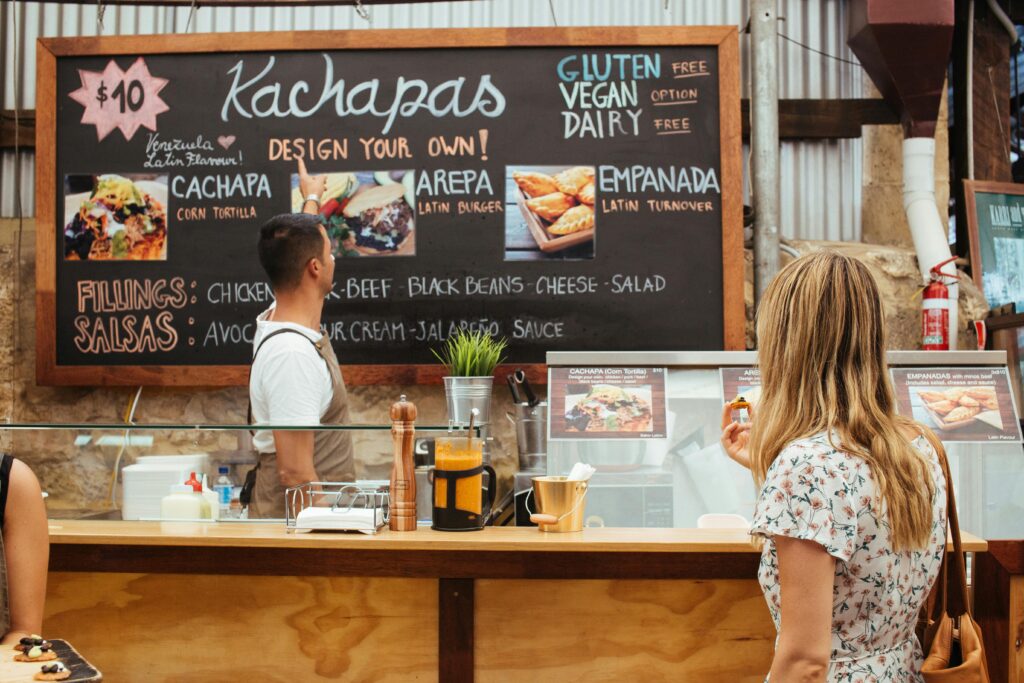
You’ve probably noticed more people choosing gluten-free foods lately. But before jumping to assumptions, it’s worth pausing to consider why. For many, gluten-free living isn’t about trends, diet fads, or Instagram aesthetics — it’s about health, relief, and sometimes, care for others.
For me personally, I’ve experienced moments where some family members and friends didn’t fully understand why my son or I eat gluten-free. It can feel confusing or even frustrating when others assume it’s “just a choice” or a trend. But over time, I’ve learned that these choices are deeply personal — whether it’s for managing health, supporting a loved one, or simply helping our bodies feel their best. Sharing this perspective has helped me approach those conversations with patience, while also creating space to honor what works for us.
Healing and Relief

Some people live with medical conditions that make gluten harmful to their bodies. Celiac disease, Hashimoto’s, and other autoimmune disorders often require strict gluten avoidance. Others experience gut issues, inflammation, skin flare-ups, migraines, or wheat/gluten sensitivities that improve when gluten is removed from their diet. For them, gluten-free isn’t optional — it’s a path toward feeling better in body and mind.
Even those without a formal diagnosis may notice significant improvements in energy, digestion, or overall well-being when they remove gluten. Listening to the body and responding with care is often the first step in a gluten-free journey.
Connection and Care
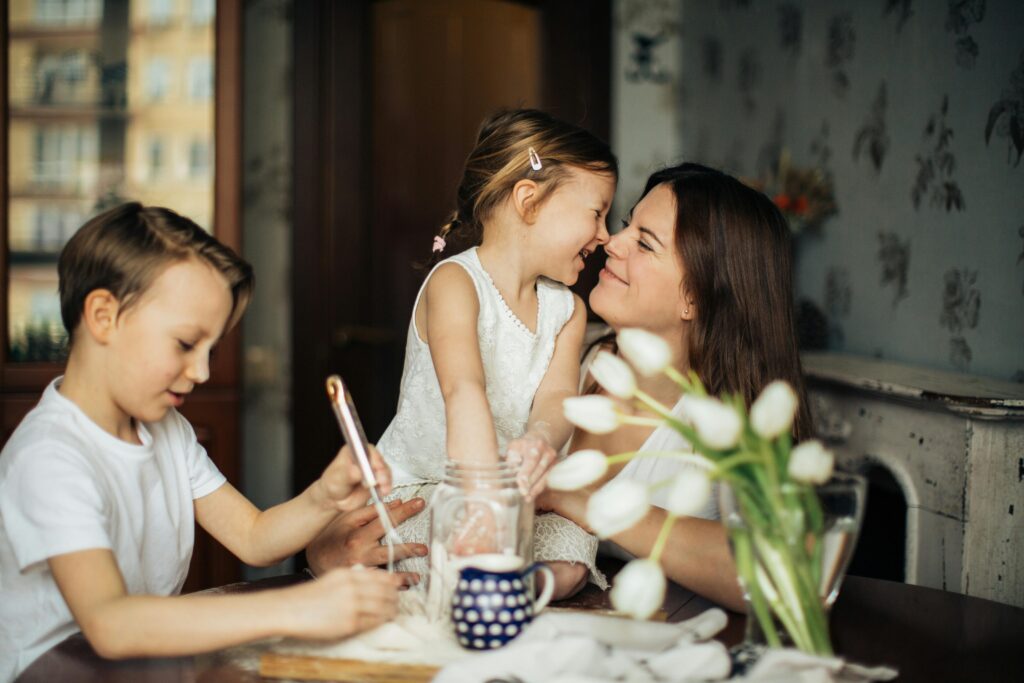
Gluten-free living can also be an act of love. Some people adjust their diet to support a child, partner, or family member with celiac, EoE, or gluten sensitivity. Making the kitchen and meals safe and accessible for everyone can simplify daily life and create a sense of harmony at home.
It’s not always about restriction — it’s about compassion, empathy, and shared care. In my own family, preparing meals that worked for my son sometimes meant adjusting what the rest of us ate, too. It wasn’t about following a trend — it was about supporting someone I love.
Awareness and Personal Alignment

Many choose gluten-free as part of a broader health exploration. Elimination diets, symptom tracking, and mindful eating help people understand their bodies better. Gluten-free living can be a tool to experiment, learn, and evolve with changing needs.
It’s not about perfection or following trends — it’s about finding balance, feeling nourished, and honoring what works best for each person or family.
Understanding and Compassion

We rarely know someone’s full “why” behind eating gluten-free. The choices people make about food can be deeply personal — shaped by health, family, and life experience. By approaching others’ dietary choices with curiosity rather than judgment, we cultivate empathy and understanding.
Gluten-free living is far more than a fad. It’s a reflection of care, awareness, and listening — whether it’s for oneself or someone they love.
Next time you notice someone choosing gluten-free, take a moment to consider the story behind it. Awareness creates compassion, and compassion creates understanding.